
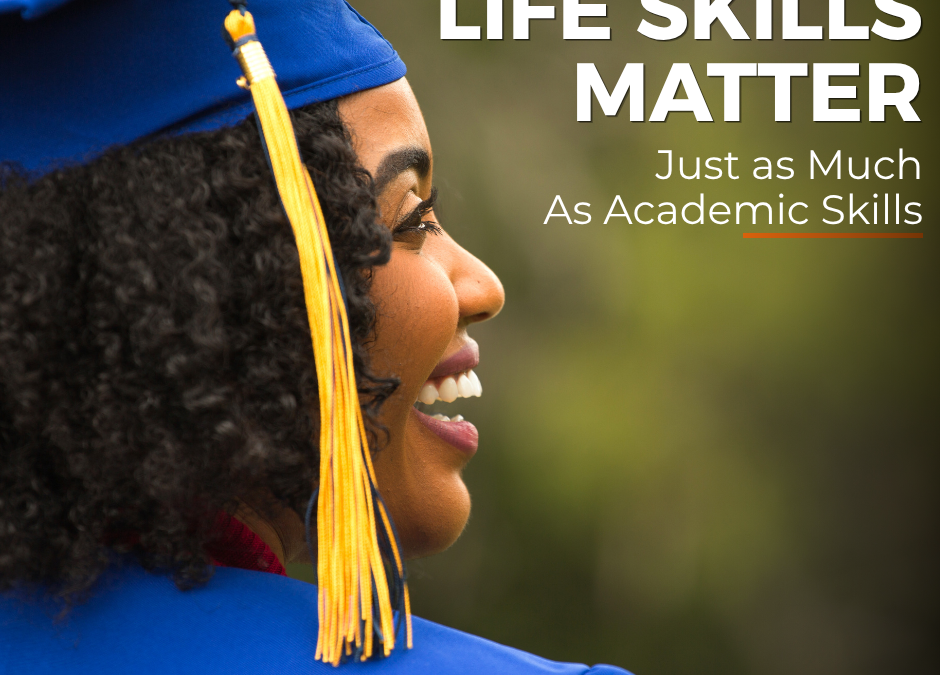
No one hands you a manual for adulthood.
We spend years teaching young people how to solve equations, write essays, and pass exams. Then graduation arrives, and suddenly they are expected to manage stress, build healthy relationships, make career decisions, navigate conflict, and figure out who they want to become.
Those are some of life’s biggest challenges, yet they are rarely taught in a classroom.
It is no wonder so many young adults feel overwhelmed. They are not unprepared because they lack intelligence. They are unprepared because success in life requires skills that go far beyond academics.
The good news is that these skills can be learned. With guidance, practice, and support, young adults can develop the confidence to manage themselves, strengthen relationships, and build a future that reflects who they are and what matters most to them.
Education Opens Doors. Life Skills Help You Walk Through Them.
Education creates opportunities. It provides knowledge, introduces new ideas, and prepares us for careers.
Life, however, asks different questions.
How do you manage stress when everything feels overwhelming?
How do you communicate when emotions are running high?
How do you recover after making a mistake?
How do you build healthy friendships, set boundaries, or make decisions when there is no single right answer?
These situations do not come with answer keys. They require emotional awareness, resilience, confidence, and practical problem-solving.
The good news is that these are skills anyone can learn. Just as we develop academic knowledge over time, we can also develop the personal skills that help us thrive through life’s challenges.
Managing Yourself Is the Foundation
One of the greatest gifts we can give young adults is the ability to understand themselves.
Self-awareness helps us recognize our emotions before they take over. It allows us to identify what we are feeling, understand why we are reacting the way we are, and make thoughtful choices instead of impulsive ones.
Managing yourself also means learning healthy habits that support physical and emotional wellbeing. It includes getting enough rest, caring for your body, creating routines, managing stress, and recognizing when you need support.
Today’s world presents unique challenges that previous generations did not experience to the same degree. Constant notifications, social media comparisons, and the pressure to always appear successful can leave young adults feeling exhausted and uncertain.
Developing healthy coping skills and emotional resilience creates a stronger foundation for whatever life brings next
Healthy Relationships Do Not Happen by Accident
Relationships influence nearly every area of our lives.
Whether it is friendship, family, dating, or a future workplace interaction, communication plays a central role in our wellbeing.
Many conflicts do not begin because people have bad intentions. They begin because people do not know how to express themselves clearly, listen without becoming defensive, or establish healthy boundaries.
Learning these skills early can reduce unnecessary conflict while building stronger, healthier relationships throughout life.
Healthy relationships also begin with understanding ourselves. When we know our values, needs, and limits, we are better equipped to communicate them respectfully while also respecting the needs of others.
These are lessons that continue to serve us throughout adulthood.
The Future Does Not Require Having All the Answers
Many young adults feel pressure to have their entire future planned before they have had the opportunity to discover who they are.
Questions about careers, college, finances, and purpose can feel overwhelming, especially when everyone seems to expect certainty.
The reality is that very few adults have followed a perfectly straight path. Life is filled with unexpected opportunities, changing interests, and new experiences.
Preparing for the future is not about having every answer today. It is about developing the confidence to make thoughtful decisions, adapt when circumstances change, manage your time wisely, and continue learning along the way.
When young adults build these skills, uncertainty becomes less intimidating because they trust themselves to handle whatever comes next.
Growing Into Adulthood Is a Journey
No one receives a handbook for adulthood.
We all learn through experience, reflection, and sometimes a few mistakes along the way.
The encouraging news is that life skills can be developed just like any other skill. With guidance, practice, and supportive communities, young adults can build confidence, strengthen relationships, improve emotional wellbeing, and create a future that reflects their values.
At Sohum Wellness, we believe wellness is about much more than physical health. It is about helping people develop the practical skills that support a balanced, meaningful life.
If you have a young adult in your life, or if you are a young adult looking for guidance yourself, we invite you to join us for our FREE Wellness Open House on Saturday, August 29, at the Fairfax County Public Library. Together, we will explore practical strategies for managing yourself, building healthy relationships, and preparing for the future in a supportive and welcoming environment.
Because learning does not end when school does. Sometimes, the most important lessons are the ones that help us live well
Proudly powered by WordPress
Recent Comments