


Healthy eating should support your life, not complicate it. Yet for many people, nutrition feels overwhelming. Diet culture has turned food into a constant source of stress, guilt, and confusion. One week carbs are the problem. The next week it is sugar, fat, or portion size. The result is often burnout rather than wellbeing.
At Sohum Wellness, we take a different approach. Healthy eating is not about rigid rules or short-term fixes. It is about nourishment, awareness, and sustainability.
What Healthy Eating Really Means
Healthy eating is often misunderstood as eating perfectly. In reality, it means eating in a way that supports your body, energy, digestion, and overall wellness over time.
A sustainable nutrition approach focuses on balance rather than restriction. It allows flexibility while still prioritizing foods that nourish the body. This approach supports physical wellness without creating emotional strain around food choices.
When healthy eating becomes supportive instead of punitive, it becomes something you can maintain.
Understanding Satiety and Fullness
Satiety is the feeling of satisfaction after eating. It tells your body that it has received enough nourishment. Many people struggle with constant hunger because their meals lack balance, not because they are eating too much.
Meals that include protein, fiber, and healthy fats help regulate appetite and energy. Protein supports muscle health and fullness. Fiber slows digestion and supports gut health. Healthy fats help stabilize blood sugar and enhance satisfaction.
Eating slowly and minimizing distractions can also improve satiety. When the nervous system is calm, the body is better able to recognize fullness signals.
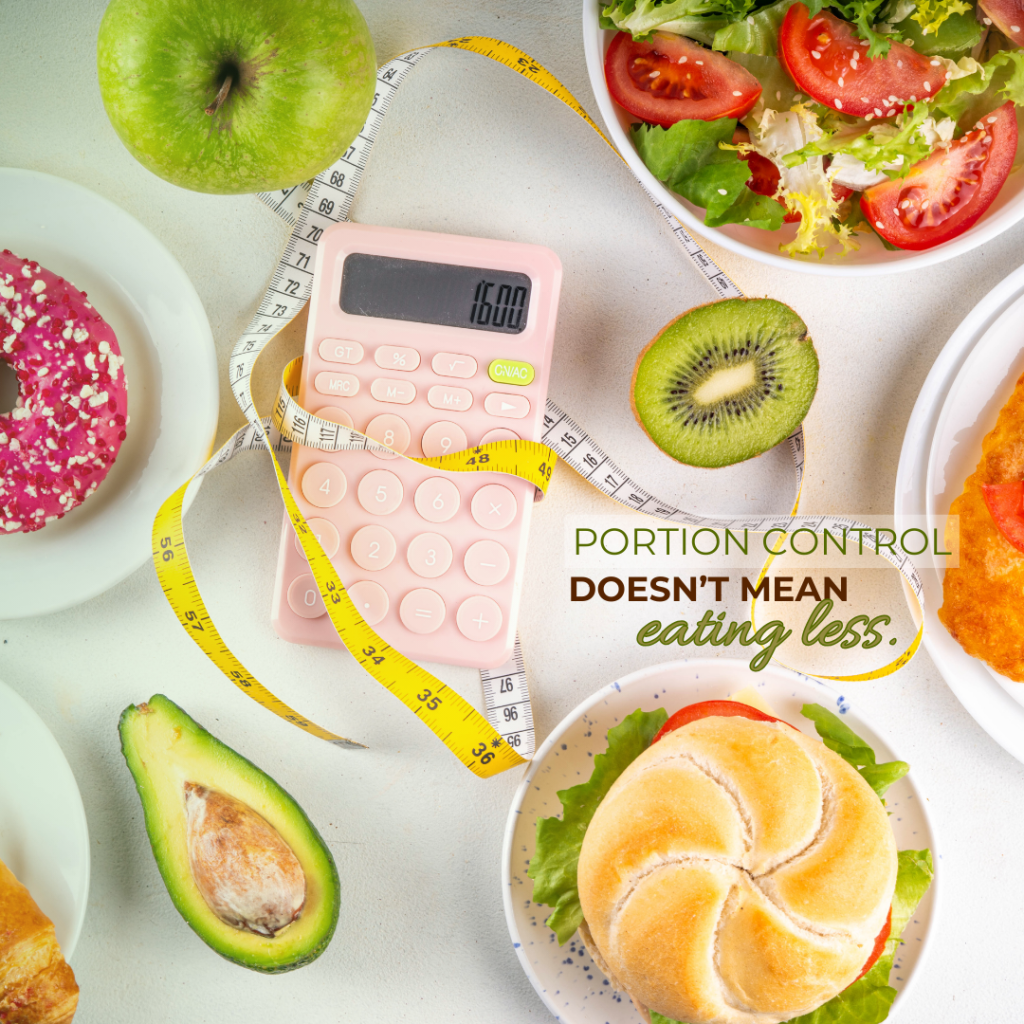
Portion Control Without Restriction
Portion control does not mean eating less food. It means eating the right amount for your body at that moment.
Instead of measuring or counting, portion awareness can be guided by visual cues. Filling half your plate with vegetables, adding a balanced portion of protein, and including healthy fats can naturally support portion balance.
Listening to hunger and fullness cues allows portions to adjust based on activity level, stress, and daily needs. This approach supports consistency without deprivation.
Hydration and Its Role in Nutrition
Hydration plays a key role in digestion, metabolism, and appetite regulation. Mild dehydration can feel like hunger, leading to unnecessary snacking or fatigue.
Drinking water throughout the day supports physical wellness and energy levels. Hydrating foods like fruits, vegetables, and soups also contribute to daily hydration.
Rather than forcing a specific amount, noticing how hydration impacts energy, focus, and appetite helps build a sustainable habit.
Creating Sustainable Healthy Eating Habits
Healthy eating works best when it fits into real life. Simple meals, familiar recipes, and flexibility allow nutrition to support your lifestyle rather than compete with it.
When food is approached with curiosity and care, wellness becomes more accessible and less stressful.
If you want support creating healthy eating habits that last, we invite you to join us.
Join the Sohum Wellness Circle, where we explore nutrition, satiety, portion awareness, and hydration together during our spring online sessions.
Proudly powered by WordPress
Recent Comments