
Many people eat regularly yet still feel tired, unsatisfied, or constantly thinking about food. This is often not a lack of discipline, but a lack of nourishment. Nutrition is about more than calories or portion size. It is about how food supports energy, fullness, and overall wellbeing.
At Sohum Wellness, we focus on nutrition that fuels the body without creating stress.
Eating for Energy and Satiety
Feeling full and energized after meals is a sign of balanced nutrition. When meals lack protein, fiber, or healthy fats, energy levels often dip and cravings increase.
Satiety allows the body to stabilize blood sugar and reduce constant food noise. When meals support fullness, eating becomes more intentional and less reactive.
Balanced meals also support mental clarity and emotional regulation, making nutrition a foundation for overall wellness.
Simple Recipes That Nourish
Healthy recipes do not need to be complicated. Simple meals with whole ingredients are often the most satisfying.
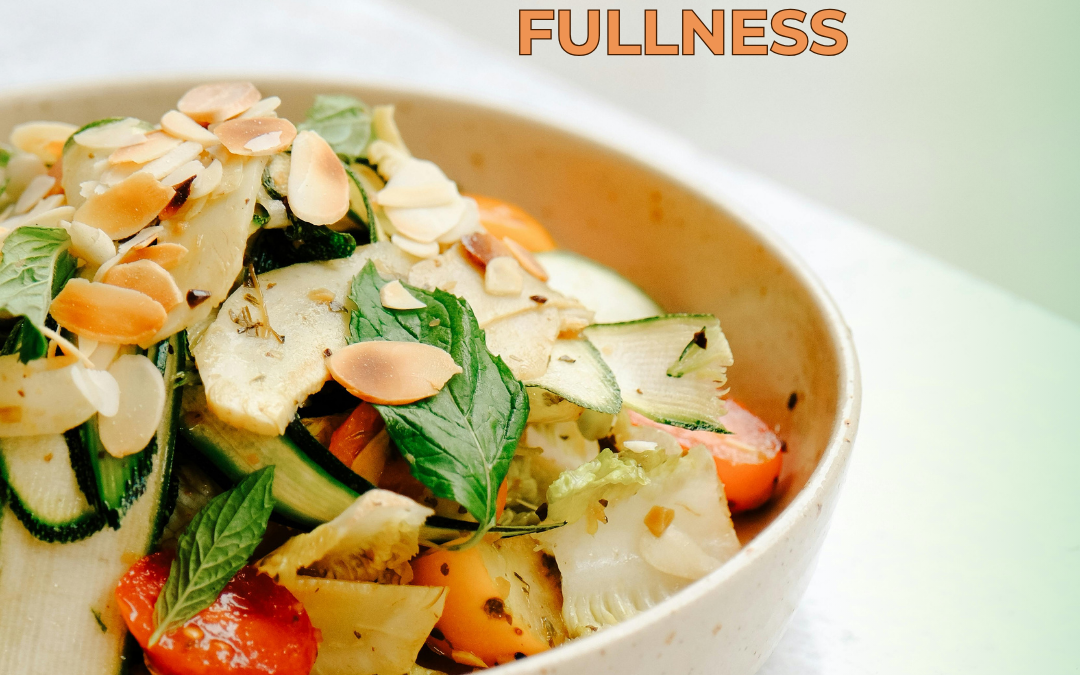
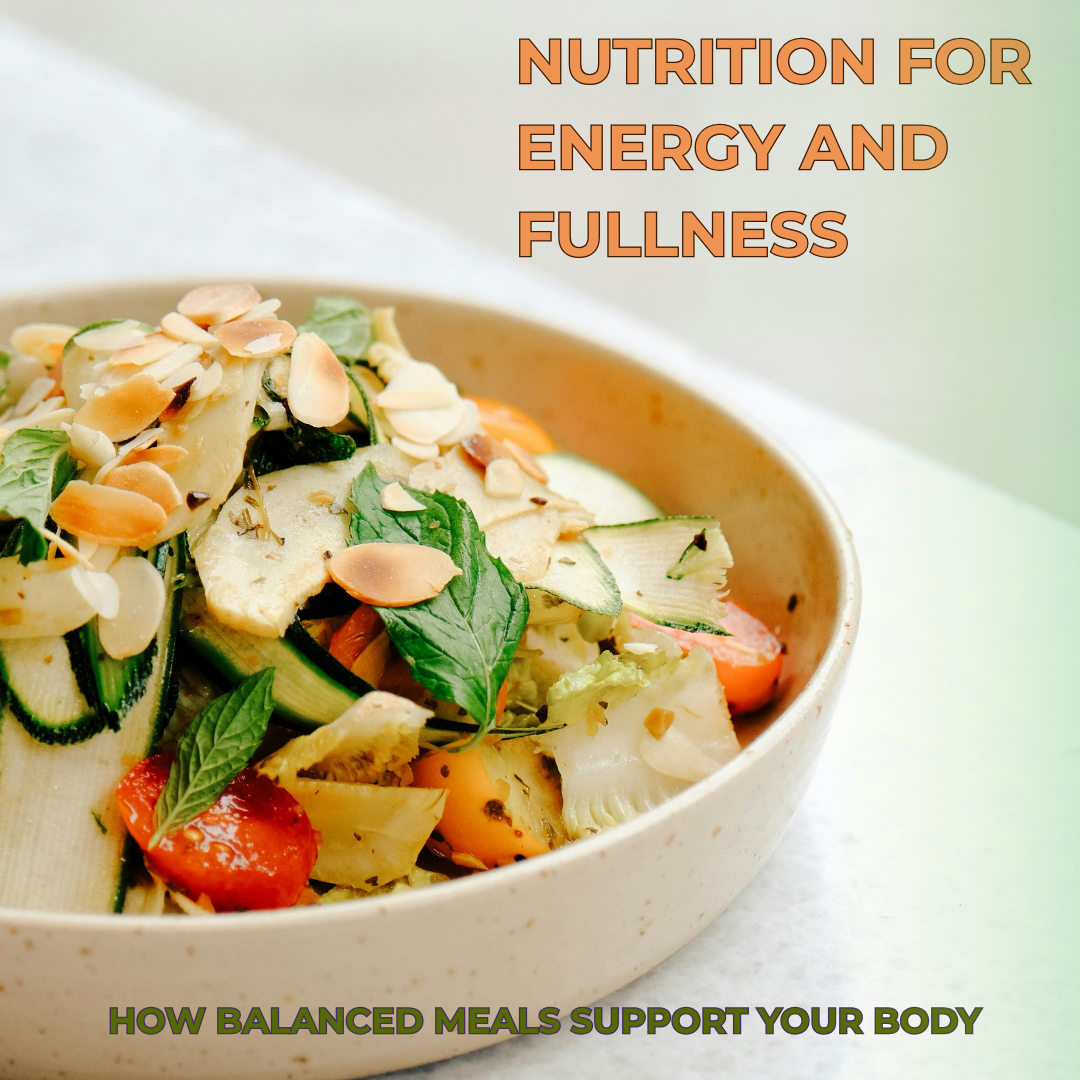
Meals built around vegetables, quality protein, and healthy fats support digestion and energy. Batch cooking and repeating meals you enjoy can reduce decision fatigue and make healthy eating more consistent.
Soups, bowls, stir-fries, and sheet-pan meals are practical options that support nourishment without requiring excessive time or effort.

Portion Control Through Awareness
Portion control is most effective when paired with presence. Eating quickly or while distracted can interfere with hunger and fullness cues.
Sitting down to eat, slowing the pace, and checking in with your body during meals allows portions to adjust naturally. This approach supports both physical and emotional wellness.
Recognizing emotional hunger is also important. Stress, fatigue, and routine changes can influence appetite. Addressing these needs with compassion supports long-term balance.
The Importance of Hydration
Hydration supports digestion, energy, and appetite regulation. Many people underestimate how dehydration affects their wellbeing.
Starting the day with water and hydrating consistently throughout the day can support focus and reduce unnecessary snacking. Herbal teas and water-rich foods can also contribute to hydration.
Learning how hydration impacts your body helps build sustainable habits that support nutrition goals.
Moving Toward Sustainable Nutrition
Nutrition does not have to be perfect to be effective. It needs to be supportive, consistent, and flexible.
When recipes are simple, portions are guided by awareness, and hydration becomes part of daily care, healthy eating becomes achievable.
If you are ready to explore nutrition in a way that supports your whole wellbeing, we invite you to join us.
Join the Sohum Wellness Circle, where we focus on nutrition, healthy eating habits, hydration, and mindful routines during our spring online sessions.
Proudly powered by WordPress
Recent Comments